



A diverse range of new cars is set to infuse Australia’s motor vehicle market in 2026. From electric SUVs to rugged utes and luxury models - buyers are positioned for increased choice in the new model year with plenty EV, hybrid, and traditional petrol vehicles on offer.
The balance presented by the 2026 line-up is compelling with expansion evident in every direction, contributing solid options across almost all segments. In this guide, we’ll break down the best cars heading down under in 2026, why you should wait for them, and where they sit in the market.
Electric Cars
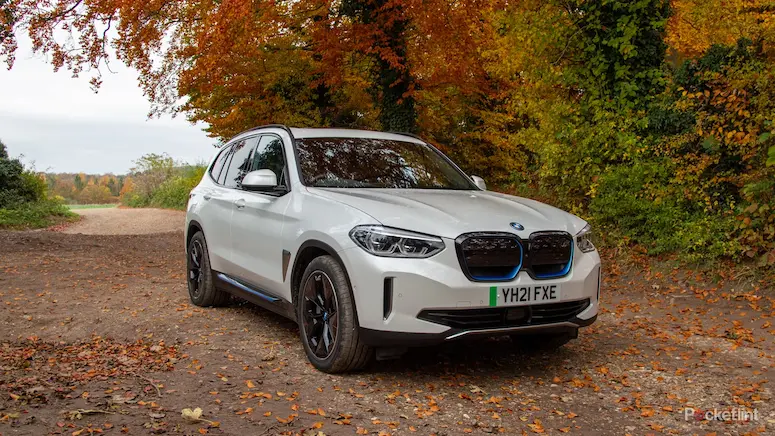
Range and charging speed have taken a leap forward 2026, making electric cars more viable for more buyers. Across the range, the BMW iX3 is the standout, built on a next-generation electric platform, delivering better range, faster charging, better interior space, improved performance, lighter weight, and future-proof technology.
Buyers seeking a more affordable or compact EV can find what they need in the BYD Atto 2 and Suzuki eVitara, two models designed for everyday Australian driving. These models will hit the market in 2026 with more practical cabin space, an appealing price point, improved driving range, lower running costs, all within the familiar proportions of an SUV.
Key Electric Cars Arriving in 2026
| Model | Segment | Why it’s Worth Waiting For | When is it expected? |
|---|---|---|---|
| BMW iX3 | Mid-size EV SUV | Longer driving range with next-gen fast charging, fresh interior and exterior design, and next-level technology. Up to 800km driving range, charging speeds up to 400kW, all-wheel drivetrain. | Mid 2026 |
| Mazda 6e | Electric sedan | Rivals the Tesla Model 3 but rooted in Mazda’s design. Up to 500km driving range, DC fast charging from 30-80% in 15 minutes. Exact top kW is not officially confirmed for Australia. | Timing unconfirmed |
| BYD Atto 2 | Small EV SUV | Value-focused and urban-friendly EV. Up to 345km driving range, DC fast-charging up to 82kW or 10-80% in approx 38 minutes. | Fourth quarter of 2025 |
| Suzuki eVitara | Compact EV SUV | Suzuki’s first EV for Australia, accompanied by the new hybrid variant of the Vitara small SUV. Up to 426km driving range, DC fast-charging around 70kW or 10-80% in 45 minutes. | First quarter of 2026 |
| Renault Scenic E-Tech | Mid-size EV SUV | 625km driving range with a family-focus. Long-range 87kWh version has a 625km driving range, DC fast-charging up to 130kW on a standard battery. | Early 2026 |
Electric Utes and Work Vehicles
In 2026, the arrival of electric utes is something to be excited for. This category has previously been seen as incompatible with electric vehicles, but, in the new model year, this perception has clearly changed.
Models that are changing the game include the Isuzu D-Max EV and Toyota HiLux BEV. From instant torque to reduced servicing costs, the appeal of these utes is on the rise, providing a good alternative for fleets and urban and regional businesses. However, while EVs like these are beginning to target real-world work, it’ll be a long time before diesel vehicles are replaced across the board.
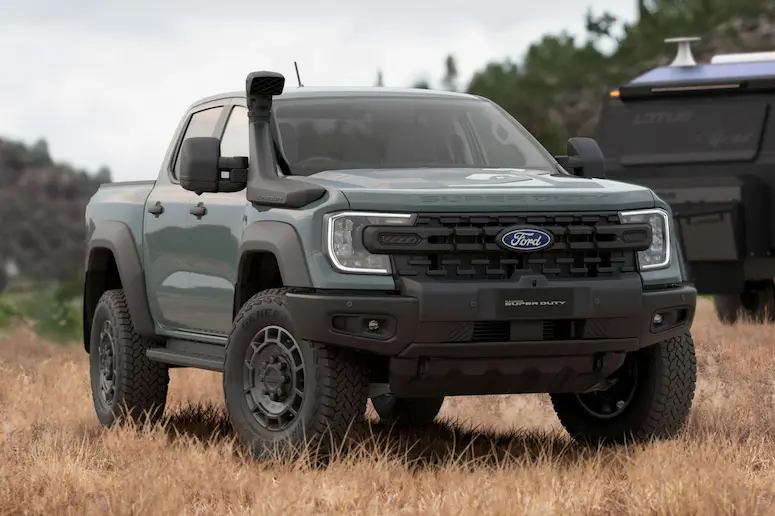
Alongside the EVs, traditional utes are continuing to push forward with the Ford Ranger Super Duty a key model offering greater choice to buyers. Additionally, the all-new Nissan Navara will also arrive in Australia in early 2026 as the fifth-generation of one of the country’s most recognisable utes.
Key Electric Utes and Work Vehicles Arriving in 2026
| Model | Powertrain | Why it’s Worth Waiting For | When is it expected? |
|---|---|---|---|
| Toyota HiLux BEV | Electric | New look, redesigned cabin, updated tech, optional diesel or EV powertrain, braked towing capacity is 3500kg, and 1100kg payload. | Early 2026 |
| Isuzu D-Max EV | Electric | Isuzu’s first EV to be sold in Australia. A 1000kg payload, 3500kg towing capacity, and expected to travel 263km on a single full battery. | Mid 2026 |
| Ford Ranger Super Duty | Diesel | Heavier-duty version of the biggest-selling new vehicle in Australia, the Ford Ranger ute. This model features a 4500kg braked towing capacity, 1825 max payload allowance, and 4500kg GVM. | Early 2026 |
| Nissan Navara (new gen) | Petrol/diesel with a Hybrid likely | A max braked towing capacity of 3500kg, payload of 950kg - 1047kg depending on the variant, GVM of 3190kg, and a GCM of 3190kg. | March 2026 |
Notable SUVs Arriving in 2026
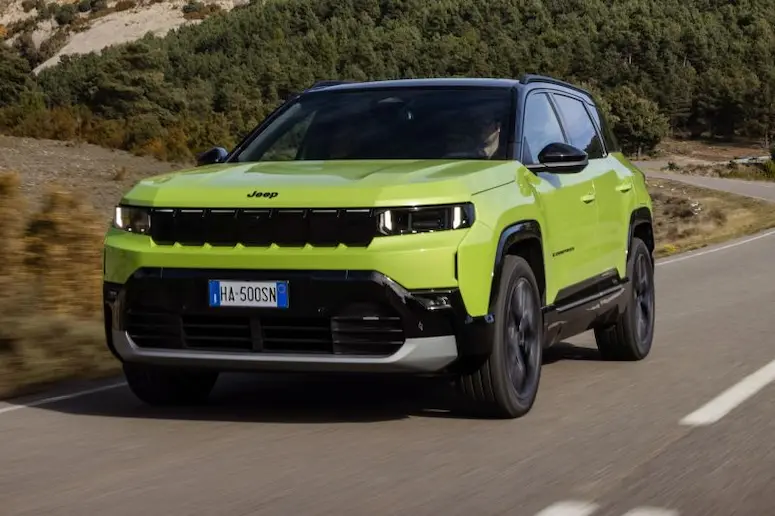
At the backbone of the Australian car market is the trusty SUV, and in 2026, we can appreciate how refined this segment has become with a range of impressive new arrivals on the horizon. One of the most anticipated models set to hit Australia is the next-generation Toyota RAV4, offering both hybrid and plug-in hybrid options.
Plug-in hybrids are particularly compelling for SUVs in 2026 with vehicles like the Tiggo 9 PHEV offering electric only ranges for short-distance driving while retaining long-distance flexibility. Meanwhile, Electric SUVs like the Hyundai Elexio and Renault Scenic E-Tech are further increasing the competition in the mid-size EV market with better value for money on standard features and advanced tech.
Key SUVs earmarked for 2026
| Model | Type | Why it’s Worth Waiting For | When is it expected? |
|---|---|---|---|
| Toyota RAV4 (Gen 6) | Hybrid/PHEV | Braked towing capacity up to 1500kg, PHEV battery is 22.7kWh lithium-ion, DC fast-charging up to 50kW or 10-80% in 30 minutes. | Hybrid models in the first quarter of 2026. PHEV models in mid-2026. |
| Chery Tiggo 9 PHEV | Plug-in Hybrid SUV | Plug-in hybrid system with petrol engine and electric, combined output of 315kW, DC fast charging up to 771kW, braked towing capacity of 1500kg, notable for its strong electric-only range for a PHEV. | Late 2025/Early 2026 |
| Hyundai Elexio | Electric SUV | Front-wheel-drive single motor, DC fast charging from 30-80% in 27 minutes, expected to include advanced driver assistance and safety technology, generous 506L boot size, built on Hyundai’s E-GMP EV platform. | Early 2026 |
| Jeep Compass (new-generation) | Petrol/diesel and hybrid variants | Electric (BEV) of 170kW, Mild Hybrid (MHEV of 108kW, Plug-in Hybrid (PHEV) of 143kW with electricity and power systems. DC fast charging up to 160kW with a claimed driving range of up to 500km. | Mid 2026 |
Closing Thoughts
In 2026, there is a clear shift towards EVs, with a number of key trends defining the new model year lineup. From improved EV driving ranges to better suit Australian driving habits, to faster charging for more realistic long-distance travel and plug-in hybrids with EV-only capabilities. In 2026, advanced driver assistance is standard among models, rather than an optional feature, and infotainment centres are being refined. If you're considering a new car in the next few years, 2026 has a standout lineup with more usable EVs, more efficient hybrids, and refined traditional models.